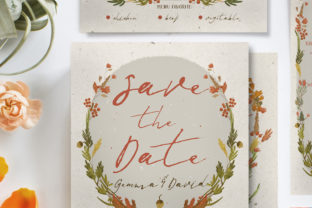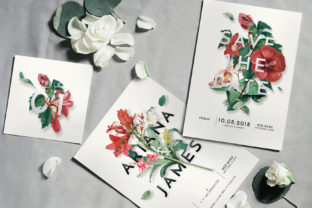
Evaluating the Modern Vintage Floral Wedding Invitation Suite for Elegant Celebrations
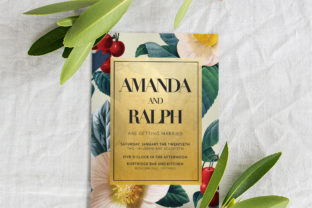
Selecting wedding stationery often involves navigating a tension between two distinct aesthetics: the ornate, nostalgic charm of vintage design and the clean, readable lines of contemporary typography. The Modern Vintage Floral Wedding Invitation Suite addresses this specific intersection by pairing detailed botanical illustrations with minimalist sans serif typefaces. For couples and designers evaluating their options, understanding the practical application of this hybrid style is essential. Unlike purely retro designs that can sometimes feel dated or cluttered, or strictly modern templates that may lack warmth, this suite aims to balance historical texture with current design standards.
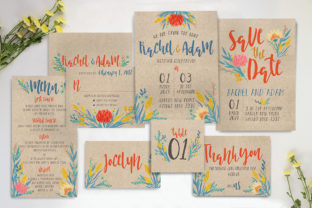
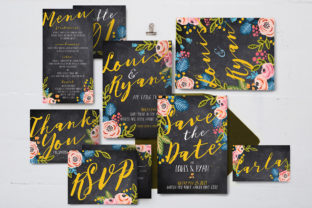
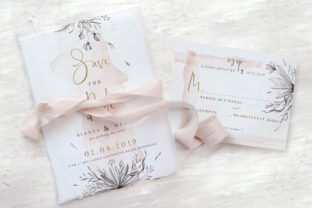
This comprehensive package includes all necessary components for a cohesive event narrative: 5x7 inch invitations (front and back), save the dates, RSVP cards, table numbers, escort cards, menu cards, and thank you notes. Beyond the aesthetic appeal, the primary value proposition lies in its technical construction. Designed as a fully editable Photoshop resource rather than a static mockup, it offers significant flexibility for those comfortable with raster-based editing. However, determining whether this specific format aligns with your workflow, budget, and printing requirements requires a closer look at its features compared to other market alternatives.
Distinguishing Characteristics of the Hybrid Aesthetic
The term "modern vintage" is frequently used in wedding marketing, but in the context of this invitation suite, it refers to a specific compositional strategy. Traditional vintage invitations often utilize script-heavy typography and symmetrical, dense layouts. In contrast, the Modern Vintage Floral Wedding Invitation Suite employs negative space as a deliberate design element. The vintage floral illustrations serve as focal points or borders rather than background noise, while the sans serif typography ensures high legibility across all card sizes, from the large 5x7 invite to the compact 4x2.5 inch escort card.
This distinction matters significantly for guest experience and print clarity. While elaborate scripts are beautiful, they can be difficult to read on smaller items like table numbers or menus. By utilizing a modern typeface hierarchy, this suite maintains accessibility without sacrificing the romantic atmosphere provided by the high-resolution floral stocks. The included 30 hi-res vintage floral elements allow for customization beyond the pre-set layouts, enabling users to create new arrangements or adjust the density of the botanical motifs to suit different paper textures and color palettes.
Technical Workflow: Photoshop vs. Vector and Web-Based Alternatives
A critical decision factor when choosing digital stationery assets is the underlying file format. This suite is built exclusively for Adobe Photoshop (minimum CS3) using CMYK color mode at 300dpi. It is vital to distinguish this from vector-based alternatives (like Illustrator or Canva) or proprietary web-to-print platforms.
Raster Editing Considerations
Because the illustrations in this suite are raster images rather than vectors, they possess a painterly, organic quality that vectors often cannot replicate. However, this also means that resizing elements significantly beyond their original dimensions may result in pixelation. Users accustomed to infinite scalability in vector software must plan their compositions carefully. The tradeoff is texture; the florals retain the subtle grain and shading of original artwork, which contributes heavily to the "vintage" feel.
Layer Management and Customization
For designers or DIY editors, the organization of the PSD files is a major efficiency metric. This suite features well-arranged, color-highlighted layers with safe line guidelines and bleed markers (0.25 inch). Compared to poorly organized free resources where layers are merged or unnamed, this structure reduces production time. You can toggle visibility, adjust opacity, or replace text blocks without reconstructing the entire design. If you need to create a completely new card type—such as a program or seating chart—the included high-resolution stocks and font links provide the raw materials to maintain visual consistency across your entire suite.
Comparing Value: Comprehensive Suites vs. Individual Assets
When researching invitation options, buyers typically choose between purchasing individual templates or investing in a full suite. The Modern Vintage Floral Wedding Invitation Suite falls into the latter category, offering seven distinct stationery pieces in one package. Evaluating this approach against buying separate designs reveals several strategic advantages and potential limitations.
- Visual Consistency: Sourcing individual vintage floral templates from different creators often results in mismatched illustration styles, conflicting color grades, and disjointed typography. A unified suite guarantees that the ink colors, floral species, and font weights remain identical from the Save the Date to the Thank You card.
- Cost Efficiency: Purchasing seven separate premium templates can cost three to four times more than a bundled suite. For budgets allocated toward professional printing, saving on design assets allows for upgrades in paper quality or finishing techniques like foil stamping or deckled edges.
- Workflow Speed: Setting up master styles and color swatches once for the entire suite is faster than configuring each document individually. The shared asset library within this package streamlines the revision process.
However, a comprehensive suite is not always the superior choice. If your wedding vision requires mixing disparate styles—for example, an Art Deco invitation paired with a minimalist modern menu—a pre-bundled set may feel restrictive. Additionally, if you only require an invitation and RSVP, paying for unused table numbers and escort cards represents unnecessary expenditure. Buyers should audit their actual stationery needs before committing to a full package.
Print Readiness and Production Specifications
Digital aesthetics do not always translate seamlessly to physical print. This suite is engineered with professional production standards in mind, specifically addressing common pitfalls in DIY wedding stationery. The inclusion of 0.25-inch bleed and safe line guidelines is non-negotiable for professional printing. Many consumer-grade templates lack these margins, leading to trimmed text or white borders after cutting.
The CMYK color profile at 300dpi ensures that the rich tones of the vintage florals reproduce accurately on press. RGB-only files, common in web-focused design tools, often shift dramatically when converted for print, resulting in muddy greens or dull pinks. By starting in CMYK, this suite minimizes color correction labor. Furthermore, the front-and-back design for both the invitation and RSVP cards maximizes real estate. Utilizing the reverse side for details like accommodation information, dress codes, or weekend itineraries keeps the front face uncluttered, preserving the elegant modern-vintage balance.
Assessing Fit: When This Suite Is the Right Choice
No single design resource serves every user equally. Based on the technical specifications and aesthetic direction, the Modern Vintage Floral Wedding Invitation Suite is best suited for specific scenarios.
Ideal Use Cases
- Photoshop Proficiency: Users who already own and understand Adobe Photoshop will find immediate value. The learning curve for layer management and text editing is minimal for experienced operators.
- Garden and Botanical Themes: The specific illustration style complements outdoor venues, conservatories, and spring/summer weddings where natural elements are central to the decor.
- Full-Service Stationery Needs: Couples planning events with assigned seating, plated dinners, and formal correspondence benefit most from having matching table numbers, menus, and escort cards ready to deploy.
- Customization Enthusiasts: Those who want to tweak layout proportions or mix-and-match floral elements will appreciate the modular nature of the included hi-res stocks.
Potential Limitations
- Vector Requirement: If you require logos or illustrations that scale to billboard size without quality loss, or if you prefer editing in Adobe Illustrator, this raster-based suite is incompatible.
- Software Access: Without a valid Photoshop license (CS3 or newer), these files are unusable. They are not compatible with GIMP, Affinity Photo, or browser-based editors without significant conversion work that may degrade quality.
- Minimalist Preference: While "modern," the presence of detailed floral art inherently adds visual weight. Couples seeking stark, ultra-minimalist Swiss-style design may find the ornamentation excessive.
Making an Informed Decision
Ultimately, selecting the Modern Vintage Floral Wedding Invitation Suite is a decision about balancing aesthetic preference with technical capability. It offers a sophisticated solution for those who desire the emotional resonance of vintage florals tempered by contemporary readability. The comprehensive nature of the package provides security and consistency, reducing the cognitive load of coordinating multiple vendors and styles.
Before purchasing, verify your software compatibility and confirm that the included dimensions (5x7, 4.5x3.5, etc.) match your printer’s specifications. Review the preview images critically to ensure the specific floral variety aligns with your seasonal theme. Remember that this is a tool for creation, not a finished product; the final elegance of your wedding stationery will depend on how effectively you leverage the editable layers and high-resolution assets to tell your unique story. By weighing these practical factors against your creative vision, you can determine if this suite is the foundational asset your celebration requires.