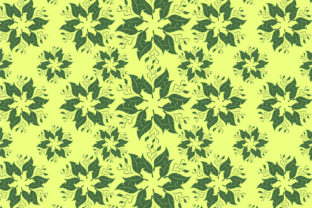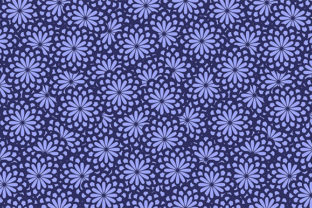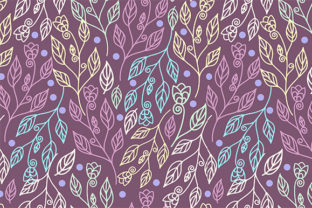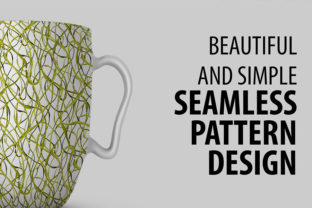
Classic Abstract Floral Pattern Design for Creators
Timeless aesthetics meet modern functionality in the realm of classic abstract floral pattern design. For creative professionals, marketers, and hobbyists, finding a balance between organic beauty and structured usability is often the key to a successful project. Unlike rigid geometric repeats or overly realistic botanical illustrations, abstract florals occupy a versatile middle ground. They evoke the feeling of nature without demanding specific identification, allowing the viewer to focus on mood, color, and composition rather than botanical accuracy. This flexibility makes them an enduring choice for everything from high-end packaging to digital blog backgrounds.
The true value of a well-crafted vector floral asset lies in its technical construction. When you work with a hand-drawn object that has been digitized into a fully scalable format, you are not just downloading a picture; you are acquiring a foundational building block. The ability to modify these elements using tools like the bucket mesh fill means you can adapt a single design to fit dozens of different contexts. Whether you are a freelance designer needing a quick texture for a client’s branding kit or an educator creating engaging worksheet borders, having a modifiable source file saves hours of drawing time while maintaining a bespoke, artisanal quality.
Versatile Applications Across Industries
The strength of classic abstract floral patterns is their chameleon-like ability to shift tone based on application. Because the forms are stylized rather than literal, they do not clash with typography or compete with product photography. Instead, they provide a supportive visual rhythm that guides the eye. Consider how different sectors leverage this aesthetic:
- Brand Identity and Packaging: Small business owners and entrepreneurs often use abstract florals to soften corporate messaging. A law firm or financial advisor might use a muted, monochromatic version to suggest stability and tradition, while a skincare brand might utilize vibrant, multi-colored fills to emphasize natural ingredients.
- Digital Content Creation: Bloggers and social media managers benefit from the scalability of vector files. A pattern that looks intricate on a desktop hero banner can be simplified and cropped for an Instagram story overlay without losing resolution. The hand-drawn origin adds a layer of authenticity that stock photography often lacks.
- Textile and Surface Design: For makers and publishers, these designs serve as excellent bases for fabric printing or stationery. Because the file includes EPS and PNG formats, it transitions seamlessly from screen to print production. The abstract nature ensures the pattern remains visually interesting even when scaled down for small tags or enlarged for wallpaper.
- Educational Materials: Educators and tutors can use softer, less complex variations of these patterns to create visually appealing learning aids. The organic shapes help break up dense text blocks, making information more digestible for students without introducing distracting imagery.
Customizing Vector Assets for Unique Results
One of the most significant advantages of working with scalable vector graphics is the capacity for deep customization. A common pitfall in digital design is using assets "as is," which can lead to generic results. To maintain originality and audience relevance, treat the downloaded file as a starting point rather than a final product. Since this resource is compatible with standard vector programs, you have full control over the artistic direction.
Start by exploring color modifications. The mesh tool capability allows for gradient fills that mimic watercolor washes or silk shading, adding depth to flat shapes. If your project requires a minimalist approach, try reducing the color palette to two tones or converting the design to line art only. Conversely, if you need high energy, increase saturation and contrast. Rotation and scaling are equally powerful; changing the angle of a floral motif can completely alter the perceived movement of the pattern. A vertical arrangement suggests growth and elegance, while a horizontal spread implies calmness and stability.
For those less experienced with vector software, the included help file serves as a practical bridge. It demystifies the process of opening, scaling, and modifying the asset, ensuring that even beginners can achieve professional results. Remember that consistency is key when adapting these designs. If you are using the pattern across multiple touchpoints—such as a website, business card, and email newsletter—establish a set of modification rules early. Decide on a fixed color code, a standard opacity level, and a preferred scale ratio. This discipline ensures that the classic abstract floral pattern design reinforces brand recognition rather than appearing as disjointed decoration.
Technical Workflow and File Management
Efficiency in creative work often comes down to how well you manage your assets. This resource package is structured to support various workflows, providing EPS, JPEG, and PNG files alongside the editable source. Understanding when to use each format prevents technical headaches downstream.
- EPS Files for Production: Always retain the EPS file as your master copy. This is the format required for professional printing, large-format signage, and further editing in Adobe Illustrator, CorelDRAW, or Affinity Designer. It preserves all curve data and color information.
- PNG for Digital Transparency: Use the PNG file when you need to layer the floral element over colored backgrounds or photographs in web design or video editing. The transparency support ensures clean edges without white boxes.
- JPEG for Quick Mockups: The JPEG is ideal for rapid prototyping, client presentations, or internal mood boards where file size matters more than editability. It provides a lightweight preview without bogging down shared drives.
When integrating these patterns into larger compositions, pay attention to negative space. Abstract florals are dense by nature, so balancing them with ample breathing room keeps the design clear and effective. Avoid filling every corner; let the pattern act as a frame or an accent. This restraint highlights the hand-drawn quality and prevents visual fatigue for the viewer.
Sustaining Creativity with Practical Tools
In a landscape saturated with AI-generated imagery and automated templates, hand-drawn vector objects offer a necessary human touch. They carry the subtle imperfections and intentional flow of an artist’s hand, which resonates deeply with audiences seeking connection. However, inspiration alone does not complete projects. Having reliable, high-quality resources that are ready to modify bridges the gap between concept and execution.
This classic abstract floral pattern design is intended to be a workhorse in your creative library. It is not merely a decorative afterthought but a strategic tool for solving visual problems. Whether you are designing a wedding invitation suite that needs to feel both vintage and fresh, or creating a corporate report cover that requires a touch of sophistication, the adaptability of this asset meets the demand. By investing time in learning the basic modification techniques—scaling, rotating, and recoloring—you transform a single download into an endless library of custom textures.
Ultimately, the goal is to save precious time without sacrificing quality. Creative professionals know that deadlines are real and budgets are finite. Utilizing pre-made, high-quality vector foundations allows you to allocate your energy toward higher-level strategy and unique detailing. The result is work that feels polished and personal, delivered efficiently. Embrace the utility of these tools, experiment with their parameters, and let the classic abstract floral form elevate your next project with grace and precision.