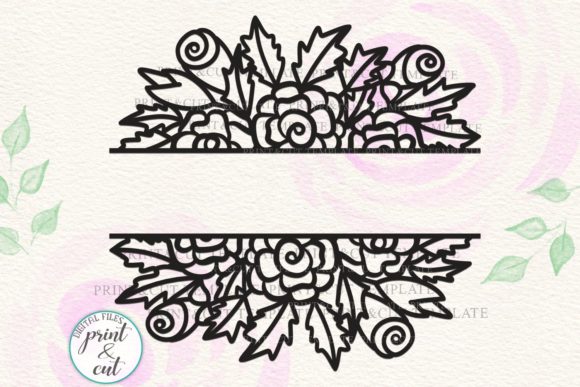
Floral Wedding Sign: Integrating Versatile Cut Files into Creative and Commercial Workflows
A floral wedding sign serves as more than just a decorative element; it functions as a critical communication node within the broader event design ecosystem. For professionals, hobbyists, and small business owners, this asset represents a convergence of aesthetic planning and technical execution. Whether utilized for wayfinding, seating charts, or welcome displays, the efficacy of a floral wedding sign depends heavily on the quality of the source files and their compatibility with modern fabrication tools. Understanding how to leverage specific file formats—SVG, DXF, PNG, and PDF—transforms a simple digital download into a scalable production asset that fits seamlessly into diverse creative workflows.
The Role of Digital Assets in Event Production Pipelines
In professional event planning and DIY fabrication, the floral wedding sign occupies a unique space between pre-production design and on-site execution. It is rarely a standalone item; rather, it interacts with color palettes, typography choices, venue architecture, and physical material constraints. When sourcing or creating these designs, the primary consideration should be workflow integration. A design described as perfect for hand or machine cutting implies a level of vector optimization that saves significant time during the preparation phase.
For creators managing multiple projects, consistency is paramount. Using standardized cut files ensures that the floral motifs align perfectly across different signage pieces, from large welcome boards to small table numbers. This interoperability reduces cognitive load during the assembly phase and minimizes material waste. By treating the floral wedding sign as a modular component of a larger system, makers can adapt the design for various applications without redesigning from scratch. This approach supports both rapid prototyping for client approvals and efficient batch production for final deliverables.
Technical Compatibility and Machine Cutting Workflows
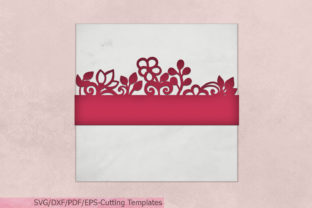
The utility of a floral wedding sign design is directly tied to its file format specifications. Modern cutting ecosystems rely on precise vector data to function efficiently. The inclusion of SVG and DXF files addresses the needs of users operating digital cutting machines such as Cricut, Silhouette, and Cameo. These formats are essential for automated workflows where precision and repeatability are required.
- SVG (Scalable Vector Graphics): This is the industry standard for Cricut Design Space and similar platforms. SVG files retain layer information, allowing users to separate floral elements from text or background shapes. This separation is vital for multi-color vinyl applications or layered paper crafts. Because SVGs are XML-based, they scale infinitely without losing fidelity, making them ideal for resizing a floral wedding sign from a 5x7 card to a 24x36 board without pixelation.
- DXF (Drawing Exchange Format): Primarily used with Silhouette Studio (Basic Edition) and other CAD-based cutting software, DXF files provide open-vector compatibility. For users who do not have premium software subscriptions, DXF ensures access to clean cut lines. In a commercial setting, DXF files are often preferred for laser cutters and CNC routers due to their universal acceptance across industrial hardware.
When integrating these files into a machine cutting workflow, preparation is key. Users should verify that all paths are closed and that nodes are optimized. A well-designed floral wedding sign file will have minimal anchor points, resulting in smoother cuts and reduced processing time. For vinyl projects, ensuring the design is welded correctly prevents individual petals or leaves from being cut separately, which streamlines the weeding process. For wood or acrylic, checking line thickness ensures the laser or blade does not burn through delicate details or fail to penetrate thicker stock.
Analog Fabrication and Print Integration Strategies
Not every workflow relies on digital fabrication. Hand cutting and traditional printing remain relevant for artisans seeking organic textures or those working without electronic cutters. The inclusion of PDF and high-resolution PNG files bridges the gap between digital design and analog execution.
Hand Cutting Optimization
The PDF format included with floral wedding sign assets is typically reversed-outlined specifically for hand cutting. This feature is a significant workflow enhancer for paper artists. Instead of struggling to trace complex curves or dealing with faint gray lines, the bold black outlines serve as clear cutting guides. This reduces eye strain and improves accuracy, particularly when working with intricate botanical details. For educators teaching craft skills or therapists using art as a modality, these ready-to-print templates eliminate setup time, allowing focus to remain on the tactile process rather than technical preparation.
High-Resolution Print Applications
The 300 DPI PNG file with a transparent background serves dual purposes in a mixed-media workflow. First, it allows for direct printing onto specialty papers, vellum, or acetate without needing to manipulate vector nodes. Second, it acts as a composite layer for digital mockups. Marketers and bloggers can overlay the floral wedding sign onto venue photography to create realistic previews for clients or social media content. The transparency ensures that the design integrates naturally with any background, maintaining professional quality in digital presentations. For laser cutting users who prefer raster engraving over vector cutting, this high-DPI file provides the necessary detail for scoring or etching floral patterns onto wood or leather surfaces.
Material Selection and Process Adaptation
The versatility of a floral wedding sign design lies in its adaptability to different substrates. However, each material dictates specific workflow adjustments. Understanding these nuances prevents costly errors and ensures the final product meets quality standards.
Vinyl and Adhesive Films: When using adhesive vinyl for glass mirrors or acrylic blanks, the design complexity must match the weeding capability. Intricate floral designs may require transfer tape with higher tack or a slower peel speed. Professionals often test a small section of the floral wedding sign before committing to a full production run to validate adhesion and weeding feasibility.
Paper and Cardstock: For layered paper signs, weight and texture matter. The SVG layers should be assigned to specific paper weights in the cutting software settings. Heavier cardstock requires deeper blade pressure and slower speeds. Integrating the floral design into a paper workflow often involves scoring lines for folding or embossing, adding dimensionality that flat vinyl cannot achieve.
Wood and Rigid Substrates: Laser cutting or CNC routing floral wedding signs requires accounting for kerf (the width of material removed by the laser). Designs optimized for wood often have slightly thicker connection points to prevent breakage during handling. If painting the wood after cutting, users must factor in paint buildup, which can obscure fine details. Sealing the wood prior to assembly is a critical step in the post-processing workflow to ensure longevity, especially for outdoor events.
Organizing Assets for Long-Term Efficiency
Acquiring a floral wedding sign file set is only the first step; organizing these assets determines long-term productivity. Creators and business owners should implement a consistent file naming convention and folder structure. Rather than generic names like "flower_design.svg," renaming files to include descriptors such as "FloralWeddingSign_Botanical_SVG_Cricut" enhances searchability within design software libraries.
Maintaining a master project file that links to these assets allows for non-destructive editing. If a client requests a size change or a color adjustment months later, having the original, organized source files enables rapid iteration. Additionally, keeping a log of material settings associated with specific floral wedding sign designs creates a personal knowledge base. Recording blade depth, speed, and pressure for successful cuts on specific materials eliminates trial-and-error in future projects, significantly increasing operational efficiency.
Quality Control and Pre-Production Validation
Integrating a new design asset into a workflow requires validation before full-scale production. Quality control for a floral wedding sign involves both digital and physical checks. Digitally, users should inspect vector paths for overlapping lines or open nodes that could cause machine errors. Physically, a test cut on scrap material is non-negotiable for professional results. This test should evaluate not just the cut quality, but also the assembly fit if the design involves multiple layers.
For those selling finished products or digital files, consistency in output builds trust. Ensuring that the floral wedding sign renders correctly across different software versions and machine models is part of the product development cycle. Documenting any known limitations or recommended settings adds value for end-users and reduces support inquiries. By approaching the floral wedding sign as a technical asset requiring validation and optimization, creators elevate their work from casual crafting to professional fabrication.
Ultimately, the successful implementation of a floral wedding sign depends on understanding the relationship between digital files and physical outcomes. Whether utilizing SVGs for precision vinyl work, PDFs for therapeutic hand-cutting sessions, or PNGs for high-fidelity print composites, each format serves a distinct purpose in the creative pipeline. By respecting the technical requirements of each medium and organizing assets strategically, makers can integrate these designs smoothly into their routines, ensuring that every sign produced is both aesthetically pleasing and structurally sound.