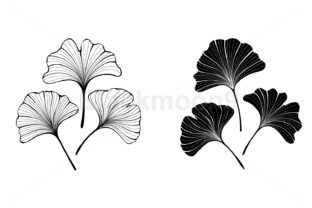
Monochrome Ginkgo Biloba Leaves: Design Assets
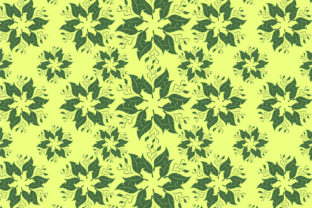
Visual communication in the health and wellness sector often struggles to balance scientific accuracy with aesthetic appeal. When designing for botanical medicine, nutrition, or holistic health, creators need imagery that conveys natural authority without appearing dated or overly clinical. Monochrome Leaves of Ginko Biloba serve as a sophisticated solution to this design challenge. These high-quality illustrations strip away the distraction of color to focus entirely on form, texture, and structural elegance. By utilizing a monochromatic palette, designers can integrate these assets into virtually any brand identity while maintaining a sense of timeless professionalism.
This specific collection offers more than just decorative filler; it provides functional design elements tailored for health-related projects, educational materials, and editorial content. Whether you are laying out a comprehensive guide on herbal supplements or creating social media graphics for a wellness coach, the neutral tone of these leaves ensures they complement rather than compete with your typography and color scheme. The availability of both editable EPS files and high-resolution JPG renders makes this freebie an essential resource for maintaining workflow efficiency across print and digital platforms.
The Strategic Value of Monochrome Botanical Art
Choosing monochrome over full-color photography is a deliberate creative strategy. In the context of Ginkgo Biloba, which is frequently associated with cognitive health, memory, and circulation, the visual tone must reflect clarity and precision. Full-color images can sometimes feel too vibrant or chaotic for serious medical or educational contexts. Monochrome Leaves of Ginko Biloba offer a refined alternative that suggests maturity and established knowledge.
From a practical design perspective, single-tone illustrations solve common layout problems. They act as unifying elements across multi-page documents where background colors may shift. Because the leaves lack inherent color data, they adapt seamlessly to dark mode interfaces, pastel branding, or stark minimalist layouts. This versatility is particularly valuable for freelancers and agency designers who manage multiple client brands simultaneously. Instead of sourcing new assets for every project variation, these adaptable illustrations provide a consistent visual anchor that can be recolored or treated to match specific guidelines instantly.
Applications in Publishing and Editorial Design
Authors and publishers working on Ginkgo Biloba books face the unique challenge of illustrating botanical concepts without relying on generic stock photography. High-quality line art and shaded monochrome renders bridge the gap between textbook diagrams and artistic interpretation. These illustrations work exceptionally well as chapter headers, margin accents, or full-page dividers in non-fiction health titles.
For article writers and bloggers, these assets enhance readability and engagement. Breaking up dense text regarding dosage, history, or biochemical properties requires visuals that reinforce the subject matter without overwhelming the reader. A subtle watermark of a ginkgo leaf behind a pull quote or a detailed render next to a sidebar creates a polished editorial look. Since the files include editable EPS formats, publishers can adjust the scale indefinitely for large-format book covers or reduce them for footnotes without losing crispness. This scalability ensures that the production value remains high regardless of the final trim size or screen resolution.
Creative Adaptation for Digital Marketing
Digital marketers and content creators can leverage Monochrome Leaves of Ginko Biloba to establish a cohesive visual language across fragmented platforms. Social media feeds often suffer from visual noise; introducing a recurring monochrome motif helps build brand recognition. These illustrations can be overlaid on solid color backgrounds to create Instagram carousels explaining the benefits of ginkgo extract, or used as transparent PNG layers in video thumbnails for YouTube health channels.
Email marketing campaigns also benefit from this asset pack. Heavy image files can trigger spam filters or load slowly on mobile devices. Vector-based EPS files converted to optimized SVGs or lightweight JPGs maintain visual quality while keeping email sizes manageable. Marketers can use the leaves to frame call-to-action buttons, separate newsletter sections, or add organic texture to otherwise rigid grid layouts. The neutral aesthetic ensures the focus remains on the copy and the conversion goal, with the illustration serving as a supportive atmospheric element.
- Brand Consistency: Use the same leaf orientation and treatment across web, print, and social to reinforce identity.
- Color Flexibility: Apply brand-specific duotones or gradients to the monochrome base in Illustrator or Photoshop.
- Texture Layering: Combine the clean vector lines with paper grain or noise overlays for a tactile, organic feel.
- Negative Space Utilization: Arrange leaves to frame text areas naturally, guiding the viewer’s eye through the composition.
Educational and Instructional Use Cases
Educators and instructional designers require visuals that prioritize information transfer over decoration. When teaching botany, herbalism, or integrative medicine, clarity is paramount. Monochrome Leaves of Ginko Biloba allow instructors to highlight specific anatomical features—such as venation patterns or petiole structure—without the visual interference of seasonal color variations or lighting inconsistencies found in photographs.
These illustrations can be annotated directly within vector software to create custom diagrams for lectures, worksheets, or online courses. Because the source files are editable, educators can isolate specific parts of the leaf or combine multiple angles to demonstrate growth cycles. For student-facing materials, the clean aesthetic reduces cognitive load, allowing learners to focus on the biological concepts being presented. This practical utility extends to museum displays, nature center signage, and workshop handouts where professional-grade botanical art is necessary but budget constraints prohibit commissioning original work.
Technical Considerations for Optimal Results
To maximize the impact of this freebie, users should understand the technical distinctions between the included file formats. The EPS (Encapsulated PostScript) file is your master asset. It contains vector paths that allow for infinite resizing and color manipulation. Always keep a copy of this file untouched as your source. Use Adobe Illustrator, Affinity Designer, or Inkscape to modify stroke weights, adjust node points, or export specific variations needed for individual projects.
The JPG format serves as a ready-to-use render for quick applications. However, users should verify the resolution before placing it in print layouts. Ensure the DPI meets industry standards (typically 300 DPI for print) to avoid pixelation. For web use, consider converting the JPG to WebP or optimizing it further to maintain fast page load speeds. While the monochrome style is forgiving regarding compression artifacts, maintaining sharp edges is crucial for preserving the high-quality appearance of the botanical details.
Organization is equally important for creative professionals managing extensive asset libraries. Rename files descriptively upon download rather than keeping generic filenames. Create a dedicated folder structure that tags the asset by subject (Ginkgo), style (Monochrome/Line Art), and format (Vector/Raster). This small administrative step saves significant time during future projects when searching for specific botanical elements. By treating this freebie as a professional design tool rather than a disposable graphic, creators ensure it remains a reliable part of their resource toolkit for years to come.
Balancing Aesthetics with Health Communication
When using botanical imagery in health contexts, always consider the regulatory and ethical implications of your design choices. Monochrome Leaves of Ginko Biloba are aesthetically pleasing, but they must not imply unverified medical claims. Use these illustrations to support factual content rather than replace it. The neutral tone actually aids in this compliance; unlike hyper-saturated photos that might suggest miraculous cures, line art and monochrome renders tend to be perceived as informational and supplementary.
Designers should pair these visuals with clear, evidence-based typography and disclaimers where appropriate. The goal is to create materials that respect the intelligence of the audience while providing visual relief from dense health information. By grounding your creativity in practical application and responsible communication, these high-quality illustrations become more than just pretty pictures—they become integral components of effective, trustworthy health education and marketing.