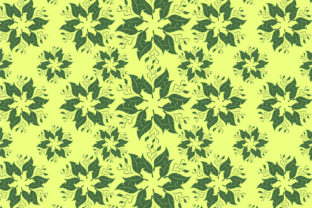
Cute Floral Pattern in the Small Flower: Designing with Ditsy Prints
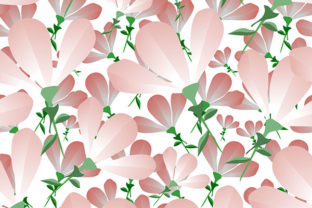
When designers and makers talk about a Cute Floral Pattern in the Small Flower, they are almost always referring to the beloved "ditsy print." This specific aesthetic is defined by motifs that are scattered randomly across the canvas rather than arranged in a rigid grid or obvious repeat. The result is a seamless vector texture that feels organic, spontaneous, and inherently feminine without being overly juvenile. Printing with very small pink flowers creates a soft visual noise that acts as a neutral in many contexts, allowing it to pair beautifully with bolder typography, solid colors, or contrasting textures.
For creative professionals and hobbyists alike, having access to a high-quality ditsy floral asset is about more than just decoration; it is about solving layout problems. A well-executed cute floral pattern provides background interest without competing for attention. Whether you are working with a vector EPS file for scalable merchandise or a high-resolution JPG for digital mockups, understanding how to leverage this scattered motif can elevate everything from summer fashion collections to wedding stationery suites.
Fashion and Apparel Applications
The most immediate application for a Cute Floral Pattern in the Small Flower is within the fashion industry. Ditsy prints are a perennial staple in women’s and children’s wear because of their versatility. Unlike large-scale botanicals that can overwhelm a silhouette or dictate the garment's shape, small scattered flowers work on almost any cut. For independent clothing designers, this pattern serves as an excellent foundation for blouses, summer dresses, and lightweight skirts.
Consider the practical benefits of using a seamless vector texture for apparel manufacturing. When printing on fabric, especially via sublimation or direct-to-garment methods, the random scattering of the motif helps hide seam lines and printing inconsistencies. Because there is no obvious directional repeat, pattern matching at the seams becomes significantly less wasteful. This makes the Cute Floral Pattern in the Small Flower not only an aesthetic choice but a cost-effective one for small-batch production. The inclusion of a vector EPS file is particularly valuable here, as it allows textile printers to scale the design infinitely without losing the crisp edges of those tiny pink petals, ensuring the print looks professional whether applied to silk chiffon or cotton poplin.
Children’s Wear and Gender-Neutral Adaptations
While pink flowers often signal traditional femininity, the ditsy format allows for surprising flexibility in children's markets. Many modern brands utilize this Cute Floral Pattern in the Small Flower as a base layer for gender-neutral nursery textiles or toddler clothing. By adjusting the background color from white to sage green, mustard yellow, or slate blue during the vector editing phase, the same small flower motif transforms completely. The randomness of the scatter prevents the design from feeling too precious or formal, making it appropriate for everyday play clothes, bibs, and crib sheets. Parents and makers appreciate this adaptability, as it extends the lifecycle of a single design asset across multiple product lines.
Paper Goods and Stationery Design
Beyond textiles, the elegant template nature of this pattern shines in paper products. Wedding stationery is perhaps the most lucrative market for ditsy florals. Brides seeking a romantic yet understated vibe often find that large peonies or roses feel too heavy for save-the-dates or menu cards. A Cute Floral Pattern in the Small Flower offers a delicate alternative that frames text beautifully. The scattered arrangement ensures that important information remains legible, as the low-density areas of the pattern provide natural negative space for typography.
For scrapbookers and journal enthusiasts, the JPG format included with these assets is often the most practical tool. Digital planners and physical memory keeping require backgrounds that add warmth without obscuring photos or handwriting. The small scale of the pink flowers acts as a textured backdrop similar to linen or kraft paper. Crafters frequently use this pattern to create custom washi tape designs, sticker sheets, or envelope liners. Because the motifs are scattered randomly, die-cutting individual elements from the larger pattern yields unique, non-repetitive stickers that look hand-painted rather than mass-produced.
Digital Interfaces and Web Backgrounds
In the digital realm, user experience dictates that backgrounds must never hinder readability. This is where the Cute Floral Pattern in the Small Flower proves its worth for web designers and social media managers. When creating Instagram story templates, Pinterest pin backgrounds, or blog headers, a solid color can sometimes feel flat, while a complex illustration can be distracting. A ditsy print strikes the perfect balance.
The seamless vector texture allows designers to create responsive web backgrounds that tile perfectly without visible seams. For lifestyle bloggers or e-commerce sites selling handmade goods, this pattern reinforces a brand identity of softness and craftsmanship. It is particularly effective when used at reduced opacity. By lowering the opacity of the pink flowers against a white or cream background, you create a subtle watermark effect that adds depth to the interface. This technique keeps the focus on product photography or article content while maintaining a cohesive visual theme throughout the site.
Technical Considerations for File Formats
Choosing between the EPS and JPG versions of a Cute Floral Pattern in the Small Flower depends entirely on your end goal. Understanding the strengths of each format prevents frustration during the production process.
- Vector EPS: This is your master file. It contains mathematical paths rather than pixels, meaning you can resize the pattern to cover a billboard or shrink it down for jewelry packaging without any loss of quality. Use this format for screen printing, laser cutting, vinyl decals, and professional textile manufacturing. It also allows you to recolor the pink flowers to match specific Pantone shades or separate layers for multi-color printing.
- JPG Raster: This file is optimized for immediate use in digital projects or home crafting. It is ideal for Cricut/Silhouette print-then-cut projects, digital planner inserts, and web graphics. While you cannot infinitely scale a JPG without pixelation, it requires no specialized vector software to open and edit. For users who simply need a pretty background for a Canva template or a Word document, the JPG is the path of least resistance.
Navigating Scale and Density
One common consideration when working with a Cute Floral Pattern in the Small Flower is managing the density of the scatter. Because ditsy prints rely on randomness, some areas may naturally have more clustering than others. When applying this pattern to physical products, always test print a swatch at actual size before committing to a full production run. What looks airy on a 27-inch monitor might appear dense and dark when printed on uncoated paper or absorbent fabric.
Additionally, consider the viewing distance. On a phone screen, very small pink flowers might blend into a solid pink tone if the resolution isn't sufficient or if the motif is scaled too small. Conversely, on a large-format banner, the same pattern might look sparse and unfinished. The beauty of the vector EPS format is that it solves this dilemma by allowing you to adjust the scale of the repeat unit itself. You can increase the spacing between flowers for large formats or tighten the cluster for detailed close-up work, ensuring the Cute Floral Pattern in the Small Flower performs optimally regardless of the medium.
Pairing and Styling Strategies
To maximize the elegance of this template, thoughtful pairing is essential. The scattered random nature of ditsy prints pairs exceptionally well with structured, geometric elements. Combining the organic flow of small pink flowers with bold sans-serif typography or clean architectural lines creates a modern tension that prevents the design from looking dated. In fashion, this translates to pairing a ditsy floral dress with structured leather accessories or denim jackets. In graphic design, it means using the pattern as a border or accent rather than an all-over flood, allowing the eye to rest.
Color theory also plays a significant role. While the base asset features pink flowers, the surrounding palette determines the mood. Pairing the pattern with warm terracotta or rust tones evokes a vintage, cottage-core aesthetic. Combining it with cool teals or navies creates a fresh, contemporary contrast. For monochromatic lovers, using varying shades of pink and red maintains the Cute Floral Pattern in the Small Flower theme while adding sophisticated tonal depth. Ultimately, the success of this pattern lies in treating it as a versatile texture rather than a standalone illustration, allowing its subtle charm to enhance rather than dominate your creative vision.